
Intel Celeron G5900
4.5Editor score
2 Cores and 2 Threads
3.4 GHz Clock Frequency
LGA1200 Socket Type
Discover the top 10 best cheap CPU options for budget builds. We compare performance, cores, and value across AMD and Intel processors to help you choose
Finding a cheap CPU does not mean sacrificing performance for your new desktop build. Whether you are upgrading an old system or starting fresh, there are excellent affordable processors available today that deliver solid speed for everyday tasks and gaming.
We compared these processors based on core count, thread count, clock speeds, and overall value for money. Our list includes options from both AMD and Intel across various generations to help you find the right fit for your specific budget and motherboard platform.
Each pick highlights key features, pros, and cons to guide your decision-making process effectively. Please note that prices and availability can change frequently, so check current listings before purchasing to ensure you get the best deal available right now.
4.5Editor score
4.7Editor score

4.8Editor score
This side-by-side comparison shows key specifications for each processor to help you quickly identify the best fit for your needs.




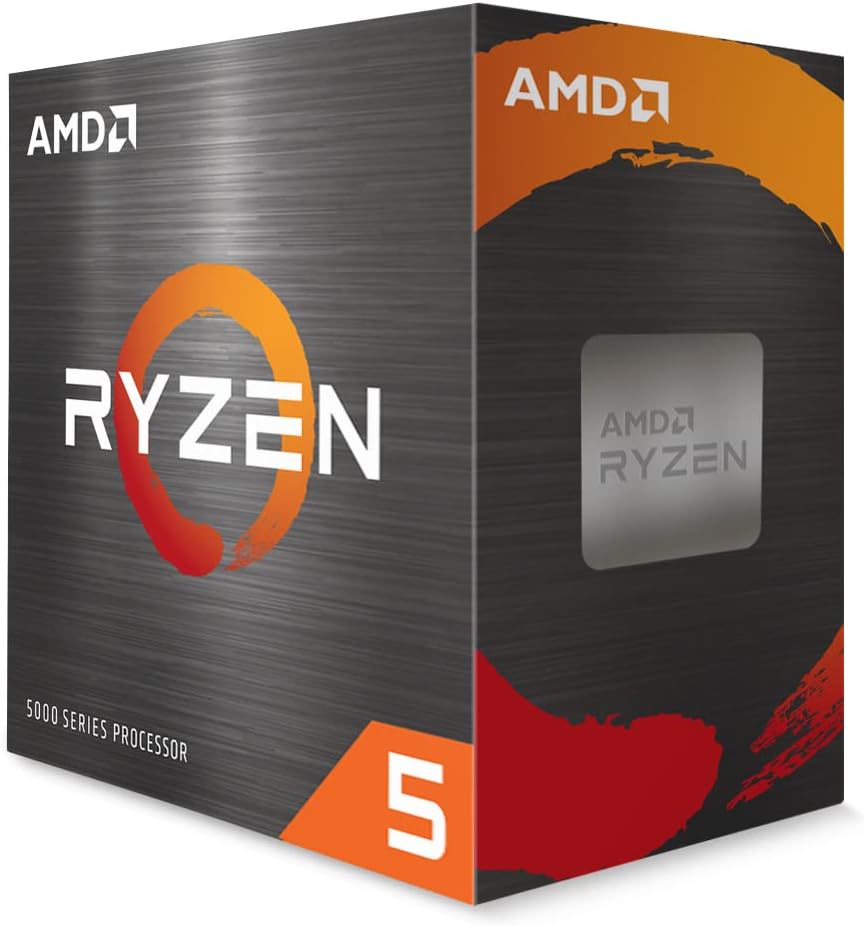
This processor stands out as a top budget gaming choice with a strong 4.7 rating. It offers 6 cores and 12 threads for solid multitasking and gaming performance.
We may earn a commission when you buy through this link, at no additional cost to you.
The 4.2 GHz max boost clock ensures snappy performance in modern titles. With 19 MB cache and DDR4-3200 support, it handles demanding workloads efficiently.
While it requires a separate graphics card, the included cooler keeps temperatures low. Overclocking support adds flexibility for enthusiasts looking to extract more performance.
Gamers and general users should buy this for its balance of speed and affordability. It remains a strong contender for budget builds on the AM4 platform.
It delivers fast 100 plus FPS in popular games when paired with a discrete graphics card.
The processor is unlocked for overclocking, allowing you to tune performance to your needs.
We may earn a commission when you buy through this link, at no additional cost to you.
Ideal for basic tasks, this CPU offers an affordable entry into the Intel ecosystem. It holds a 4.5 rating for its reliability in simple computing needs.
We may earn a commission when you buy through this link, at no additional cost to you.
With 2 cores and 2 threads running at 3.4 GHz, it handles web browsing and office apps well. The LGA1200 socket ensures compatibility with Intel 400 series motherboards.
The low 58W power draw keeps electricity costs down. Intel Optane Memory support helps boost system responsiveness on limited budgets.
Users needing a simple office or media machine should consider this. It is a straightforward choice for very tight budgets where heavy performance is not required.
This processor is designed for cost-effective builds requiring essential computing power without extra expense.
Intel Optane Memory support allows for faster system performance with limited storage options.
We may earn a commission when you buy through this link, at no additional cost to you.
This processor leads the premium segment with impressive 4.8 ratings. It brings AMD Zen 5 architecture to budget-conscious gamers seeking high clock speeds.
We may earn a commission when you buy through this link, at no additional cost to you.
The 5.4 GHz max boost delivers smooth 100 plus FPS in top games. With 12 threads and DDR5-5600 support, it future-proofs your build effectively.
Cooler is not included, which may add to initial costs. The AM5 platform requirement means you need compatible motherboards but enables PCIe 5.0 on select models.
Enthusiasts should buy this for next-gen gaming performance on a budget. It represents the high-end of affordable processors with top-tier speed.
The 5.4 GHz max boost clock ensures fast performance in modern gaming and productivity tasks.
Socket AM5 platform supports PCIe 5.0 on select motherboards for future expandability.
We may earn a commission when you buy through this link, at no additional cost to you.
This AMD Athlon model offers reliable computing for everyday users with a 4.4 rating. It includes Radeon Vega 3 graphics for smooth videos and light gaming.
We may earn a commission when you buy through this link, at no additional cost to you.
With 2 cores and 4 threads running at 3.2 GHz, it handles standard office work well. A near-silent cooler is included, keeping noise levels low.
The DDR4-2667 support ensures stable performance with standard memory. The AM4 platform allows future upgrades to more powerful Ryzen processors later.
Home users needing a simple PC should choose this. It is a solid foundation for budget systems that may evolve over time.
Includes Radeon Vega 3 Graphics for smooth videos and gaming without a discrete card.
Socket AM4 platform is upgradeable to Ryzen for future performance boosts.
We may earn a commission when you buy through this link, at no additional cost to you.
This 7th Gen Celeron offers basic functionality with a 4.6 rating. It uses LGA 1151 socket for compatibility with Intel 200/100 series chipsets.
We may earn a commission when you buy through this link, at no additional cost to you.
With Intel HD Graphics 610, it can handle basic display output. The processor is simple but sufficient for very low-cost builds.
It excludes Intel Octane Technology support, which limits certain acceleration features. The architecture is older compared to newer market offerings.
Users needing a very cheap PC for basic tasks should buy this. It fits legacy systems where cost is the primary concern.
Socket LGA 1151 works with older Intel motherboards for easy system reuse.
Intel HD Graphics 610 provides essential display output for everyday use.
We may earn a commission when you buy through this link, at no additional cost to you.
This renewed i5-6500 offers performance for older systems at a budget. It shows a 4.2 rating for reliability among refreshed units.
We may earn a commission when you buy through this link, at no additional cost to you.
LGA 1151 socket and Intel 100 Series chipset compatibility ensure it fits many existing builds. It supports both DDR4 and DDR3L memory types.
Display resolution up to 4096×2304 enables high resolution setups. Intel Turbo Boost Technology helps maintain performance under load.
Users upgrading old systems should verify motherboard support before ordering. It is a good choice for reviving legacy desktops cheaply.
DDR4 and DDR3L support allows use of existing memory modules during upgrades.
Intel Turbo Boost Technology dynamically increases clock speed for demanding tasks.
We may earn a commission when you buy through this link, at no additional cost to you.
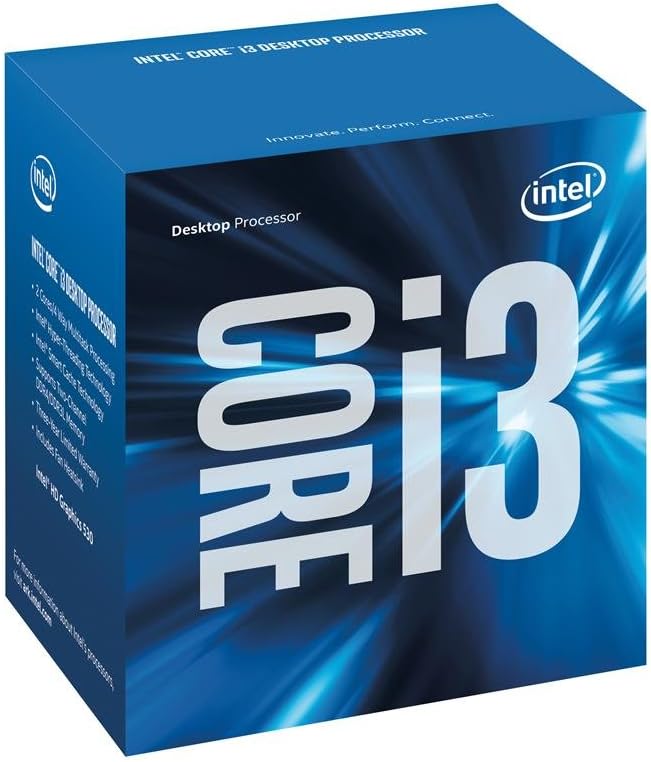
This i3-6100 provides efficient processing with a 4.6 rating. It uses FC-LGA14C socket and features Intel Hyper-Threading for better multitasking.
We may earn a commission when you buy through this link, at no additional cost to you.
Running at 3.70 GHz, it delivers decent speed for entry-level use. Intel Turbo Boost Technology and Secure Key enhance performance and security.
It supports LGA 1151 which means you need compatible motherboards. The architecture is dated but still functional for general computing.
Users seeking basic speed on a budget should consider this model. It remains a reliable option for simple home office setups.
Intel Hyper-Threading Technology allows better multitasking efficiency for dual core setups.
Intel Turbo Boost Technology ensures higher clock speeds when needed for performance.
We may earn a commission when you buy through this link, at no additional cost to you.
This high-end Ryzen model offers pure gaming performance with a 4.8 rating. It features AMD Zen 5 architecture with 6 cores and 12 threads.
We may earn a commission when you buy through this link, at no additional cost to you.
The 5.4 GHz max boost clock ensures smooth 100 plus FPS in games. With 38 MB cache and DDR5-5600 support, it handles demanding applications well.
Cooler is not included so you need to purchase one separately. This adds cost but allows for better thermal management options.
Enthusiasts wanting top performance should buy this for future-proofing. It represents the upper end of cheap CPU categories.
38 MB Cache helps improve performance in memory-intensive workloads and gaming.
Socket AM5 platform ensures compatibility with future Ryzen processors and standards.
We may earn a commission when you buy through this link, at no additional cost to you.
This renewed i7-7700 provides strong multitasking with a 4.7 rating. It has 4 cores and 8 threads for efficient parallel processing.
We may earn a commission when you buy through this link, at no additional cost to you.
Max turbo frequency up to 4.20 GHz ensures fast performance. With 8 MB cache and Intel UHD Graphics 630, it handles many tasks smoothly.
Compatible only with Intel 100 or 200 Series Chipsets. This may limit motherboard choices for upgrades or builds.
Users needing multi-threaded performance on a budget should check compatibility. It remains a solid option for older systems needing power.
4 Cores and 8 Threads provide efficient multitasking for demanding workflows.
Intel Optane Memory Supported allows for faster storage performance in compatible systems.
We may earn a commission when you buy through this link, at no additional cost to you.
This renewed i7-8700 offers 6 cores with a 4.2 rating. It has 12 threads and 4.60 GHz Max Turbo for solid performance.
We may earn a commission when you buy through this link, at no additional cost to you.
With 12 MB Cache and Intel AVX2 support, it handles complex calculations well. The CPU supports Intel Hyper Threading for better efficiency.
It is compatible only with Intel 300 Series Chipsets. This limits your motherboard options if building or upgrading from scratch.
Users seeking core-heavy performance should verify their board before buying. It provides decent value for older high-performance builds.
6 Cores and 12 Threads provide significant parallel processing power.
Instruction set extensions include intel sse4.1, sse4.2, and avx2 for optimized code.
We may earn a commission when you buy through this link, at no additional cost to you.
Selecting the right CPU involves considering your budget, platform, and performance needs.
More cores and threads allow for better multitasking and performance in modern applications. Look for at least 4 cores if you plan to game or edit media.
For basic office use, 2 to 4 cores are often sufficient. Match the count to your workload demands.
Ensure the processor fits your motherboard socket. AMD AM4 and Intel LGA1200 or LGA1151 sockets are common. Buying a mismatched CPU will not work.
Check your motherboard manual before ordering to avoid compatibility issues. This saves time and money.
Higher clock speeds generally mean faster performance for single-threaded tasks like gaming. Look at base and boost clocks to gauge real-world speed.
Balance clock speed with core count for your needs. A high boost clock helps gaming while more cores help productivity.
Some CPUs include graphics so you do not need a separate card. AMD Radeon Vega and Intel HD Graphics offer basic display output.
If you plan to game heavily, a discrete GPU is still required. Integrated graphics are great for saving money on entry builds.
Larger cache helps the processor access data quickly improving overall speed. Look for models with at least 8 MB cache for good performance.
Cache size is often overlooked but affects responsiveness. Higher cache is beneficial for complex tasks.
Lower power CPUs run cooler and use less electricity. Check the wattage like 58W or 65W to estimate power needs.
Energy efficient chips are better for smaller cases. Avoid high wattage if you need efficiency.
Some processors come with stock coolers which saves cost. Others require you to buy a separate cooler for adequate cooling.
Check if a cooler is included to budget for additional costs. Stock coolers are fine for basic overclocking.
Ensure the CPU supports your RAM type like DDR4 or DDR5. Higher memory speeds can boost performance slightly.
Choose a CPU that supports fast RAM for future-proofing. Mismatched memory is not possible so check specs.
Install your CPU carefully by aligning the notches with the socket. Lower the retention lever and apply a small amount of thermal paste if a cooler is not pre-applied.
Keep your computer in a well-ventilated area to prevent overheating. Regularly clean dust from fans and heatsinks to maintain airflow.
Update your motherboard BIOS to ensure compatibility with newer processors. Check manufacturers websites for support lists and updates.
Yes, many cheap CPUs can handle modern gaming if paired with a decent graphics card. Models like the Ryzen 5 5500 deliver over 100 FPS in popular titles. Ensure you meet the system requirements for your games.
Some processors come with stock coolers while others do not. Always check the product details before buying. If the CPU is unlocked for overclocking, an aftermarket cooler is recommended.
Cores are physical processing units while threads are logical pathways each core can handle. More threads allow better multitasking. Modern CPUs often have two threads per core.
It depends on your motherboard socket. If you plan to upgrade, choose a platform with long-term support like AM5 or LGA1700. Check if new CPUs are compatible with your board.
Both AMD and Intel offer competitive cheap processors. AMD often includes integrated graphics while Intel has strong legacy support. Choose based on your motherboard and budget.
Use tools like Cinebench to benchmark CPU performance. Compare scores to other models to gauge power. Real gaming performance depends on the GPU as well.
Renewed CPUs are often reliable and cheaper than new ones. Check the seller rating and return policy. Ensure it comes with a warranty for peace of mind.
Match RAM speed to what the CPU supports. For DDR4 CPUs aim for 3200 MHz or higher. DDR5 CPUs require DDR5 RAM. Faster RAM helps performance.
The AMD Ryzen 5 5500 stands out as the top pick for overall value. It offers strong gaming performance and essential features at a reasonable cost.
Prioritize compatibility with your motherboard and future needs when buying. Ensure you have enough cores and threads for your specific workloads.
Always verify current prices and stock before purchasing since deals change often. This guide helps you find the right balance for your budget.