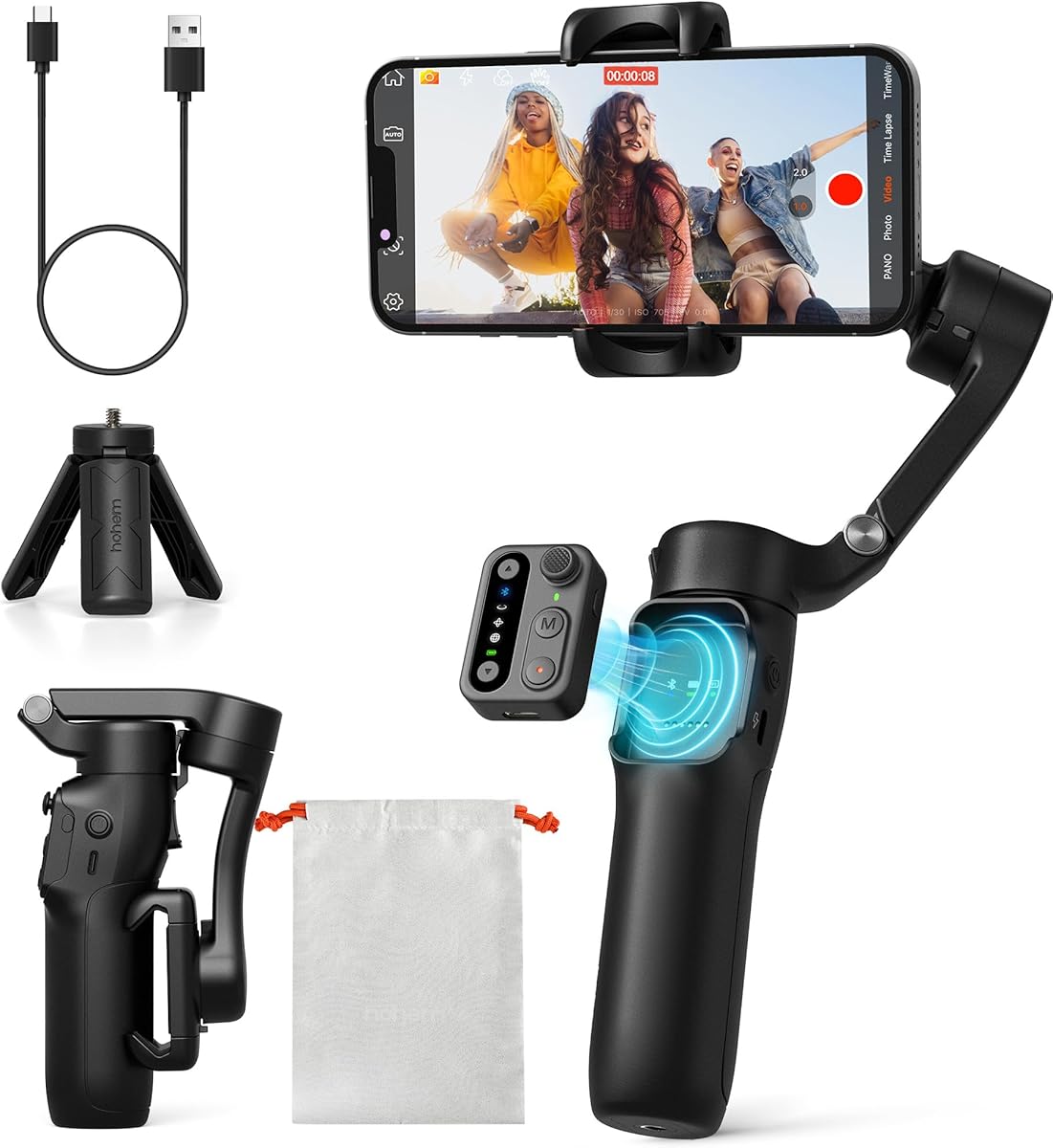
hohem iSteady X3 SE
4.2Editor score
Lightweight Foldable Design
11-Hour Continuous Runtime
Detachable Remote Controller
Mountaineering demands reliable gear that withstands harsh conditions while capturing stunning footage. A quality gimbal ensures smooth video even on steep trails or windy peaks, transforming shaky clips into professional content. Choosing the right model involves considering payload capacity, battery life, and weather resistance for outdoor durability.
We evaluated ten leading gimbals based on stabilization performance, portability, and compatibility with various cameras. Each product was assessed for its ability to handle dynamic movements typical of mountain expeditions. The list includes options for smartphones, action cameras, and mirrorless systems to suit every filmmaker’s needs on the trail.
Each selection highlights key features, pros, cons, and real-world application scenarios for mountaineering. Detailed reviews explain how these devices perform under stress and what users can expect during long hikes. Prices fluctuate regularly, so verify current offers before purchasing to ensure the best value for your adventure setup.
4.2Editor score

4.4Editor score

4.9Editor score
As an Amazon Associate we earn from qualifying purchases.
This side-by-side comparison highlights the core specifications of all ten gimbals to help you quickly identify the model that aligns with your specific mountaineering and filming requirements.


The DJI Osmo Mobile 8 stands out as the premier choice for mountaineering videographers seeking reliable smartphone stabilization. With a 4.4-star rating, users praise its ability to capture smooth footage even during intense hiking conditions.
We may earn a commission when you buy through this link, at no additional cost to you.
Its robust 3-axis gimbal stabilization ensures lossless stability, making it ideal for capturing creative bursts on uneven trails. The built-in extension rod and tripod allow for versatile angles without extra gear, while the 10-hour battery life supports extended outdoor filming sessions.
While the DJI Mimo app availability requires downloading from the official website, the intelligent tracking and one-tap editing features streamline the workflow significantly. The integrated lighting and audio capabilities further enhance content quality in diverse environments.
This gimbal is perfect for adventure content creators who need a portable yet powerful tool for on-the-go filming. Its combination of durability, long battery life, and advanced tracking makes it the top recommendation for serious mountaineering vlogs.
The advanced 3-axis stabilization ensures professional smooth footage even when navigating steep or unstable mountain terrain.
With up to 10 hours of runtime and phone charging capabilities, it supports continuous shooting throughout long hikes.
We may earn a commission when you buy through this link, at no additional cost to you.
The DJI Osmo Mobile 7 is an excellent lightweight option for mountaineers who prioritize portability without compromising on stabilization quality. Rated 4.4 stars, it offers robust 3-axis stabilization in a compact package.
We may earn a commission when you buy through this link, at no additional cost to you.
Weighing just 300 grams, it significantly reduces wrist strain during long hiking trips. The integrated foldable design with a built-in tripod makes solo creation effortless and storage hassle-free. ActiveTrack 7.0 ensures subjects stay in focus even during bold movements.
While it lacks some advanced features like built-in lighting, its ergonomic design and long battery life make it a reliable companion for outdoor filming. The ShotGuides feature helps users create stunning masterpieces quickly without technical expertise.
This model is ideal for hikers and travelers who need a compact tool for capturing smooth footage of landscapes and activities. Its balance of weight and performance ensures it remains a top choice for mobile content creators on the move.
The ultra-light design and anti-slip handle make it comfortable to hold for extended filming periods during climbs.
Integrated ShotGuides and One-Tap Edit save time and enhance storytelling instantly for novice users.
We may earn a commission when you buy through this link, at no additional cost to you.
The Hohem iSteady Pro 4 is a rugged solution for mountaineers using action cameras like GoPro or DJI Osmo Action. With a 4.1-star rating, it is designed to withstand splash and dynamic outdoor conditions.
We may earn a commission when you buy through this link, at no additional cost to you.
Its IPX4 splash proof rating makes it resistant to water splashes, ensuring reliability on rainy or snowy mountain days. Bluetooth connection reduces energy consumption by 50% compared to WiFi, extending battery life significantly for long shoots.
While it does not support all camera models equally for control, the stabilization algorithm provides smooth results during dynamic movements. The power bank function allows it to charge your action camera while filming, eliminating mid-hike power concerns.
This gimbal is perfect for adventure sports enthusiasts who need weather-resistant gear for capturing high-octane footage. Its compatibility and long runtime make it a dependable choice for tracking progress during climbing expeditions.
IPX4 splash proofing allows reliable operation even in wet or snowy conditions without risk of damage.
Up to 14 hours of runtime and power bank support ensure you never miss a key moment on the trail.
We may earn a commission when you buy through this link, at no additional cost to you.
The Hohem iSteady Pro 4 offers reliable stabilization for action cameras in mountain environments. Rated 4.2 stars, it combines weatherproofing with advanced stabilization algorithms to capture smooth footage during climbs.
We may earn a commission when you buy through this link, at no additional cost to you.
Its innovative spring-loaded quick-release clip allows mounting or detaching cameras in just 3 seconds, saving time during fast-paced shoots. The IPX4 splash-proof design ensures it withstands rain and snow, making it suitable for all-weather expeditions.
While the stabilization might vary slightly with heavier loads, the iSteady 5.0 algorithm provides smooth results for most standard action cameras. The 14-hour battery life ensures it lasts through long days on the mountain without needing a recharge.
This gimbal is ideal for outdoor enthusiasts who need a quick-to-deploy solution for dynamic filming. Its durable build and extended runtime make it a practical tool for capturing mountaineering adventures in diverse weather conditions.
The spring-loaded quick-release clip lets you mount or detach cameras in seconds for rapid action shots.
Splash-proof rating and long battery life ensure consistent performance even during harsh outdoor conditions.
We may earn a commission when you buy through this link, at no additional cost to you.
The hohem iSteady X3 SE is a budget-friendly option for mountaineers looking to stabilize smartphone footage without a steep investment. Rated 4.2 stars, it provides essential stabilization features in a portable package.
We may earn a commission when you buy through this link, at no additional cost to you.
Weighing only 0.79 lbs, it folds into a pocket-sized tool, making it easy to carry during long treks. The detachable magnetic remote allows you to control videos from up to 32 feet away, perfect for capturing group shots on a peak.
While it may lack the heavy-duty features of premium models, its 11-hour battery life and iSteady 8.0 technology ensure smooth results for casual hiking videos. The beginner-friendly interface reduces the learning curve for new users.
This gimbal is perfect for hobbyists and entry-level creators who want reliable stabilization for social media content. Its portability and affordability make it a great choice for capturing memories during mountain adventures on a budget.
Weighing just 0.79 lbs, it folds into a pocket-sized tool for easy packing during travel.
The detachable remote enables control from a distance for hands-free and group shots.
We may earn a commission when you buy through this link, at no additional cost to you.
The DJI Osmo Mobile 7P stands out for its advanced tracking capabilities, rated 4.5 stars by users. It combines the benefits of the Mobile 7 with additional features designed for content creators on the go.
We may earn a commission when you buy through this link, at no additional cost to you.
The integrated extension rod and tripod let you capture wide selfies and steady vlogs without extra gear. Dual-lens enhanced tracking ensures subjects stay in focus even during close-up action, providing smoother shots than previous generations.
While it requires pairing with the Multifunctional Module for full tracking capabilities, the magnetic design allows instant connection and setup. The 10-hour runtime supports long days of filming, ideal for extended mountaineering trips.
This gimbal is ideal for vloggers and social media creators who prioritize tracking and ease of use. Its all-in-one design simplifies the workflow, ensuring you can focus on capturing stunning footage of your mountain adventures.
Dual-lens tracking works smarter to keep subjects in focus during fast movements and varied scenarios.
Built-in rod and tripod offer creative freedom without the hassle of carrying extra accessories.
We may earn a commission when you buy through this link, at no additional cost to you.
The DJI RS 3 Mini is a professional-grade option for mountaineers using mirrorless cameras. Rated 4.3 stars, it offers high performance in a compact form factor suitable for rugged outdoor conditions.
We may earn a commission when you buy through this link, at no additional cost to you.
Weighing only 795g, it is easy to hold for extended shooting, balancing professional performance with portability. The 1.4-inch full-color touchscreen provides an intuitive interface for adjusting settings quickly while on the trail.
While it requires a separate app download for full functionality, its native vertical shooting capability supports modern content formats directly. The wide-ranging compatibility allows use with various camera brands, making it versatile for different setups.
This gimbal is perfect for serious filmmakers who need professional stabilization for high-end cameras during expeditions. Its lightweight design ensures comfort during long shoots, while the robust build withstands the challenges of mountain environments.
At just 795g, it delivers pro-level stabilization without adding significant weight to your hiking pack.
Native vertical shooting and touchscreen UI allow quick adaptation to different content formats and preferences.
We may earn a commission when you buy through this link, at no additional cost to you.
The DJI Osmo Pocket 3 is a premium all-in-one solution for high-quality video capture in the mountains. Rated 4.5 stars, it combines a 1-inch sensor with advanced stabilization for breathtaking footage.
We may earn a commission when you buy through this link, at no additional cost to you.
Its 3-axis mechanical stabilization delivers superb stability, making it ideal for capturing smooth footage while hiking or climbing. The 2-inch rotating touchscreen simplifies framing, while ActiveTrack 6.0 ensures subjects stay focused during dynamic movement.
While it represents a significant investment, the high video quality and compact design reduce the need for additional gear. The immersive audio features and night shot capabilities enhance storytelling in diverse environments.
This model is perfect for content creators who prioritize image quality and ease of use on the trail. Its reliability and professional features make it the top choice for mountaineering filmmakers seeking premium results.
The 1-inch CMOS sensor captures stunning clarity in low light and detailed landscapes during expeditions.
Rotating screen and ActiveTrack simplify framing and focus for solo creators on the go.
We may earn a commission when you buy through this link, at no additional cost to you.
The FeiyuTech SCORP Mini-3-Pro is a highly-rated gimbal offering advanced AI tracking for mountaineering videography. With a 4.9-star rating, it supports a wide range of cameras including mirrorless, compact, and smartphones.
We may earn a commission when you buy through this link, at no additional cost to you.
Its built-in AI tracking follows subjects without an app or external sensor, offering 0.003s response time and up to 18m tracking distance. The detachable handle works as a wireless remote for distance and low-angle shots, adding versatility to your setup.
While it requires some initial learning to master the features, the high payload capacity handles heavy camera combinations easily. The 14-hour battery life supports all-day shooting, ensuring you capture every moment of your expedition.
This gimbal is ideal for creators who need reliable tracking and payload capacity for professional-grade setups. Its versatility and advanced features make it a top choice for serious mountaineering filmmakers seeking high performance.
AI tracking 4.0 follows subjects autonomously without needing external sensors or complex setups.
The detachable handle acts as a wireless remote for capturing shots from unique angles easily.
We may earn a commission when you buy through this link, at no additional cost to you.
The hohem iSteady MT3 Pro is a high-performance gimbal designed for mountaineers with heavy camera gear. Rated 4.5 stars, it supports mirrorless, compact, action cameras, and smartphones in one versatile package.
We may earn a commission when you buy through this link, at no additional cost to you.
Its built-in 2MP AI camera tracks subjects automatically, allowing one-second subject tracking with simple gestures. The detachable touchscreen remote provides up to 10m wireless range for framing shots from a distance, useful for solo shoots.
While it is slightly heavier, its 2.5kg payload and 20-hour battery life ensure it can handle professional setups and long trips without power anxiety. The fill light feature enhances low-light performance, adding creative possibilities.
This gimbal is perfect for professionals who need robust support for heavy lenses and extended operation. Its advanced features and high capacity make it a reliable tool for demanding mountaineering production work.
Up to 20 hours of operation ensures uninterrupted filming throughout multi-day mountain expeditions.
The 2.5kg payload handles most mirrorless cameras and lenses, offering flexibility for any setup.
We may earn a commission when you buy through this link, at no additional cost to you.
Selecting the right gimbal for mountaineering requires balancing portability, durability, and performance. The following factors will help you make an informed decision based on your specific filming needs.
Payload capacity determines the maximum weight the gimbal can support. For mountaineering, consider your camera setup and ensure the gimbal can handle it without draining the battery quickly. Higher payload models often offer better stability but may be heavier.
Long battery life is critical for all-day hikes and remote expeditions. Look for gimbals offering at least 10 hours of runtime. Some models also support power bank functionality to charge your camera or phone while shooting.
Mountain environments can be harsh with rain, snow, and rough terrain. Choose gimbals with splash-proof ratings like IPX4 to ensure reliability. Robust build quality helps withstand accidental drops and vibrations during active filming.
Weight and foldability impact how easy the gimbal is to carry. Lightweight models reduce strain during long treks. Foldable designs allow you to pack the device easily without taking up valuable space in your backpack.
Advanced stabilization algorithms ensure smooth footage during dynamic movements. Models with multiple-axis stabilization handle vertical and horizontal motion effectively. Look for features like tracking modes that adjust to subject movement automatically.
A user-friendly interface and intuitive controls are essential for quick setup in the field. Touchscreens and remote controls allow faster adjustments. Beginner-friendly software can streamline editing and sharing directly from your device.
Ensure the gimbal supports your specific camera type. Some models work with smartphones, while others support action or mirrorless cameras. Check for specific mounting options to ensure secure attachment of your gear.
Budget determines which features you can access. Higher-priced models offer better build and longer battery life. Evaluate if advanced tracking or lighting features justify the cost for your typical usage scenarios.
To ensure optimal performance, always balance your camera on the gimbal before starting to shoot. Use the app or controls to calibrate the motors to your specific load. This prevents drift and ensures smooth footage during movement.
Regular maintenance is key for longevity in outdoor environments. Wipe down the gimbal after each hike to remove dust and moisture. Store it in a protective case when not in use to prevent damage to the motors and hinges.
Monitor battery levels closely during long shoots. If the gimbal supports charging, keep a power bank handy. Avoid exposing the device to extreme cold without protection, as it may impact battery efficiency and motor performance.
Most modern gimbals are designed to operate in various temperatures, but extreme cold can affect battery efficiency. It is recommended to keep the device warm when not in use and carry spare batteries. Cold weather may reduce runtime, so plan accordingly.
While not essential, a gimbal significantly improves video quality by reducing shake and stabilizing shots. If you plan to capture smooth footage while walking or climbing, a gimbal is highly recommended. It enhances the professional look of your content.
Most gimbals offer between 10 to 20 hours of runtime on a single charge. High-end models often include power-saving modes to extend usage. Some units also support pass-through charging to power your camera during filming.
This depends on the specific model. Some gimbals are designed specifically for smartphones and cannot support action cameras. Always check the compatibility list and payload limits before purchasing. Some models offer interchangeable clamps for different devices.
Basic operation can often be done using physical buttons without an app. However, advanced features like tracking and editing require a companion app. Ensure you can access the app in your region before starting your trip to avoid connectivity issues.
A gimbal uses motors to actively stabilize the camera on multiple axes. A passive stabilizer relies on counterweights and mechanical balance. Gimbals generally provide smoother results and more control but are heavier and require batteries to function.
Choosing the best gimbal for mountaineering involves weighing factors like weight, battery life, and durability. Our top picks include the DJI Osmo Mobile 8 for overall performance and the hohem iSteady X3 SE for budget-conscious travelers.
If you prioritize professional footage, consider models with advanced AI tracking or higher payload capacities. Always match the gimbal to your specific camera gear and filming style to ensure the best results on the trail.
Remember that prices change frequently and features may update. Verify current specs and user reviews before making a final purchase to ensure you are getting the most value for your adventure photography needs.