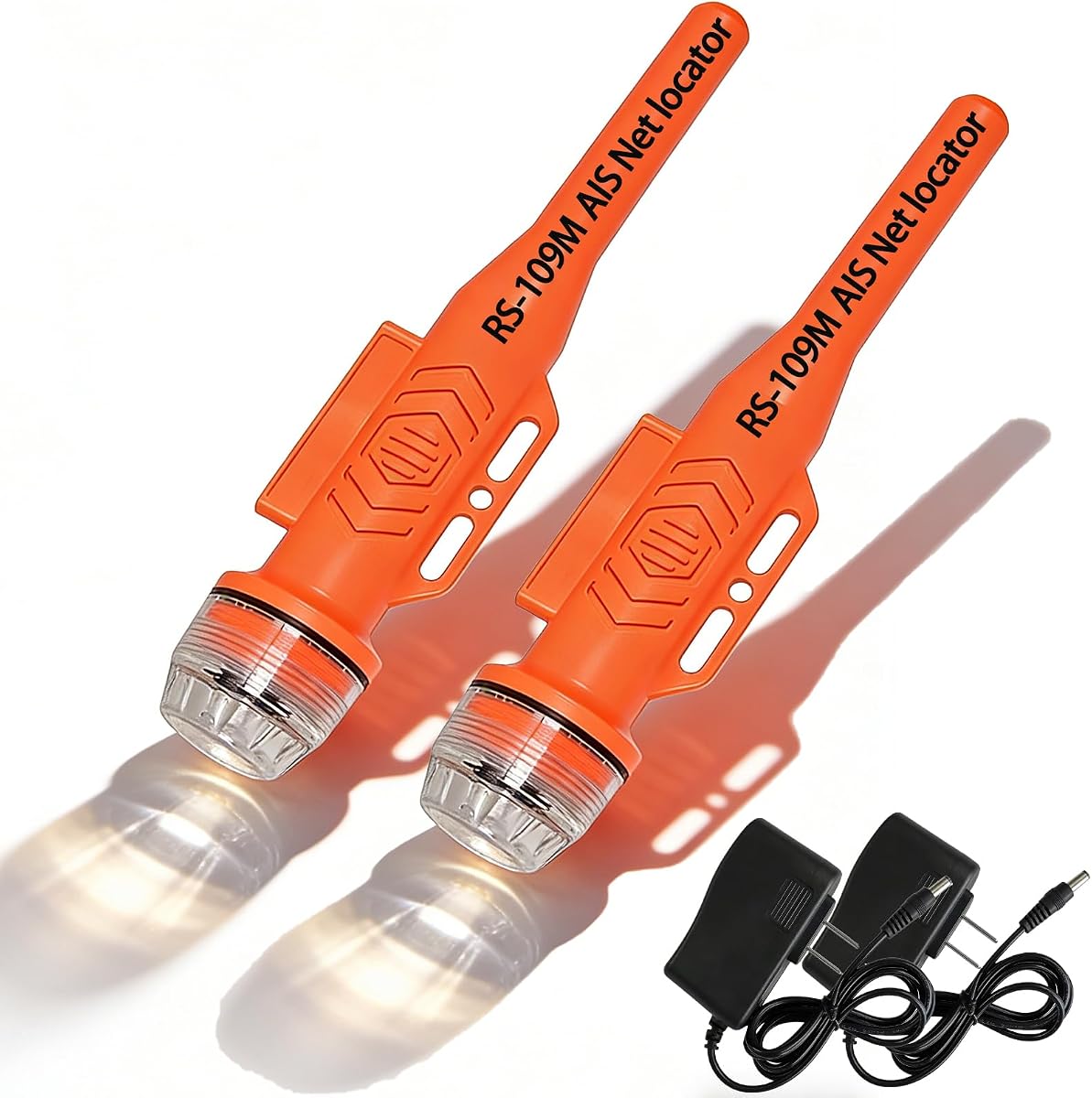
RS-109M Marine Net Locator
4.5Editor score
IPX7 waterproof design
High accuracy GPS
Two week battery life
Modern boating demands reliable safety equipment to ensure everyone stays protected on the water. AIS transponders provide critical real-time data about nearby vessels, helping captains avoid collisions and navigate safely even in poor visibility or heavy traffic conditions.
We have carefully evaluated the leading options available today based on their transmission power, display quality, integration capabilities, and overall reliability. Our analysis covers everything from basic Class B units to advanced Class A systems suitable for professional maritime operations.
Each recommendation highlights specific strengths for different users, whether you need personal safety gear or a full boat navigation system. Please note that product availability and pricing can change frequently, so verify current details before making your final purchase decision online.
4.5Editor score

4.4Editor score
4.7Editor score
As an Amazon Associate we earn from qualifying purchases.
The following table presents a direct comparison of all ten selected AIS transponders, highlighting their key specifications, connectivity options, and primary use cases to help you make an informed decision quickly.




The Icom MA-510TR stands out as a robust marine transponder designed for serious sailors who demand reliability. It features a large, clear display that makes viewing traffic data easy even in bright sunlight. This unit integrates essential safety functions like DSC calling directly into the transponder interface.
We may earn a commission when you buy through this link, at no additional cost to you.
Its USB connectivity option allows for easy updates and data management, ensuring you always have the latest firmware and navigation charts. The multilingual interface supports five languages, making it accessible for international crews or travelers. Silent mode offers secure operations when discretion is needed during specific voyages.
While the price is higher than basic models, the inclusion of an antenna and integrated GPS reduces the need for extra components. Some users might find the setup slightly complex compared to plug-and-play units. These trade-offs are acceptable given the professional-grade features and build quality.
This product is ideal for boat owners who want a comprehensive AIS system without needing separate GPS or radio hardware. If you prioritize clear visuals and advanced safety alerts on your dashboard, this model delivers exceptional value and performance for daily navigation.
The 4.3 inch color display provides clear visibility of nearby vessels and their trajectories.
Integrated DSC calling allows for quick distress alerts and individual calls to specific ships.
We may earn a commission when you buy through this link, at no additional cost to you.
The EM-TRAK B921 is a straightforward Class B transceiver that fits well into smaller marine setups. It operates on standard 12 or 24 volt systems found in most boats. Its compact design allows for easy installation in tight spaces where larger units might not fit comfortably.
We may earn a commission when you buy through this link, at no additional cost to you.
This unit focuses on core functionality without unnecessary bells and whistles. It transmits and receives essential data to keep you aware of your surroundings. For boaters who already have a navigation display, this acts as a solid backend component for sending and receiving signals.
The lack of a built-in screen means you must rely on your existing chartplotter to view data. This limits visibility if you do not have a display connected. However, the simplicity reduces potential points of failure and keeps maintenance requirements low over time.
Choose this model if you need a dependable transmitter that integrates with your existing electronics. It is a great choice for budget-conscious sailors who want standard AIS compliance without paying for extra features they do not need.
Supports both 12 and 24 volt systems to accommodate different vessel electrical configurations.
Fits easily in small compartments or under-deck locations without compromising performance.
We may earn a commission when you buy through this link, at no additional cost to you.
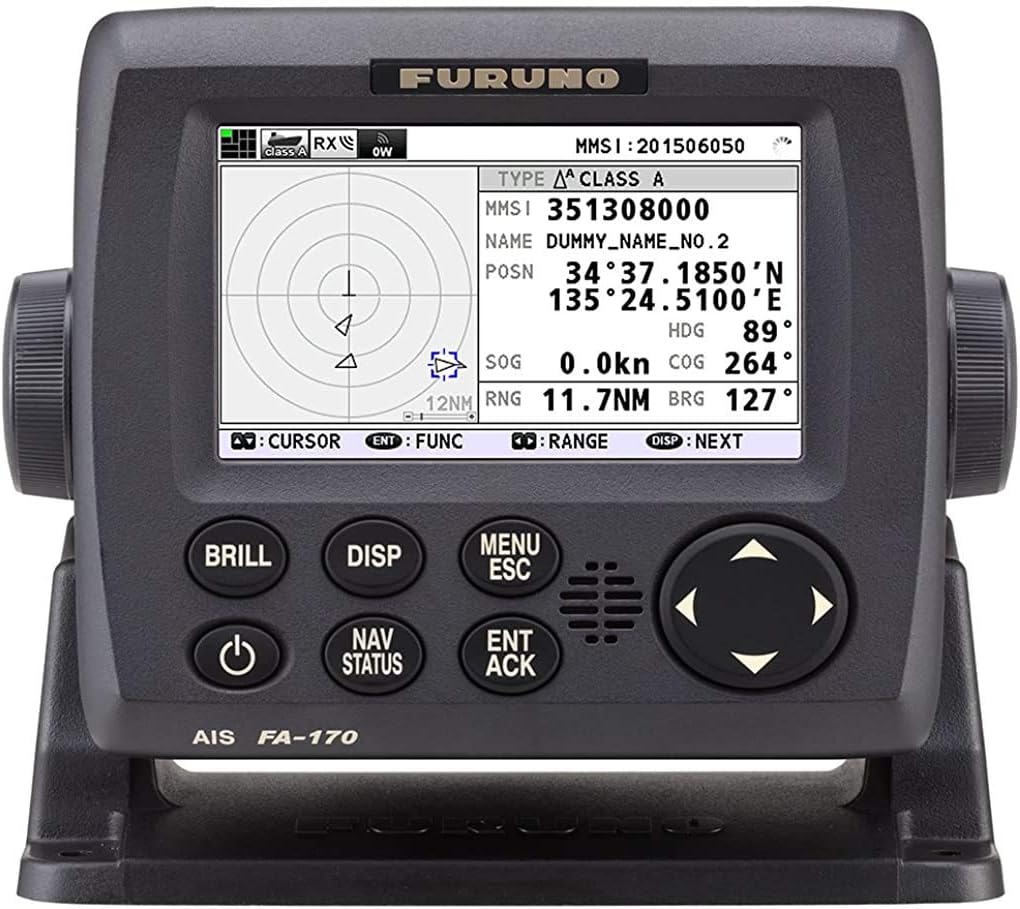
The Furuno FA170 is a top-tier Class A transponder designed for commercial vessels and serious cruising. It can store up to 2,048 targets, ensuring you never lose track of traffic in busy waters. The dangerous target list feature alerts you immediately when a ship approaches too closely or at high speed.
We may earn a commission when you buy through this link, at no additional cost to you.
With six input and output ports, it integrates seamlessly into complex onboard networks. The LAN port allows for modern data transfer and remote monitoring capabilities. This level of connectivity is essential for boats that rely on multiple screens and systems working together smoothly.
The cost is significant compared to consumer units, but the reliability and feature set justify the expense for professionals. Setup requires technical knowledge to configure the network and ports correctly. For those who understand the requirements, this unit offers unmatched peace of mind.
This is the ultimate choice for safety conscious captains who need robust data handling. If you operate in congested areas or require detailed tracking of surrounding vessels, the FA170 provides the performance and stability needed for safe navigation.
Stores thousands of targets to maintain full awareness in heavy traffic zones.
Automatically identifies and lists dangerous targets to prevent potential collisions.
We may earn a commission when you buy through this link, at no additional cost to you.
The RS-109M is designed specifically for tracking net buoys and equipment in open waters. It transmits both positioning data and battery levels to your receiver, keeping you informed about the status of your gear. With a range of ten nautical miles, it covers vast areas effectively for recreational or professional use.
We may earn a commission when you buy through this link, at no additional cost to you.
Its IPX7 waterproof design ensures it performs dependably even when fully submerged. The high capacity lithium battery supports up to two weeks of continuous transmission, reducing maintenance frequency significantly. This reliability is crucial for long fishing trips or monitoring periods where retrieval is difficult.
While it is specialized for buoy tracking rather than vessel navigation, it offers exceptional value for that specific task. It may not replace a full ship transponder but serves well for asset tracking. The 2-pack option provides flexibility for managing multiple nets simultaneously.
Fishermen and marine workers looking for affordable equipment tracking should consider this device. It balances cost and functionality perfectly, ensuring your gear stays visible and monitored without breaking the bank.
High capacity battery supports weeks of transmission to minimize service intervals.
IPX7 rating ensures operation even after accidental submersion in seawater.
We may earn a commission when you buy through this link, at no additional cost to you.
This bundle offers both a VHF radio and an AIS transceiver, providing a complete communication and safety solution. It ensures that your vessel has the necessary tools to broadcast and receive critical safety information. The Raymarine brand is known for durability and performance in marine environments.
We may earn a commission when you buy through this link, at no additional cost to you.
Installing a bundle simplifies the process compared to buying separate units from different manufacturers. The components are designed to work together seamlessly within the Raymarine ecosystem. This reduces cable clutter and compatibility issues that might arise with mixed setups.
The investment is higher than purchasing just a transponder, but the added value of a radio justifies it. If you do not have a VHF radio, this saves significant time and effort. However, you are locked into the Raymarine brand for future upgrades or parts.
For boat owners setting up a new navigation system, this bundle is a smart starting point. It delivers reliable communication and tracking capabilities in one purchase, ensuring you are compliant and safe on the water immediately.
Combines voice radio and data transmission into a single streamlined system.
Raymarine hardware is tested for durability and consistent performance in harsh conditions.
We may earn a commission when you buy through this link, at no additional cost to you.
The ACR RESQLINK is a personal beacon designed to alert rescue services in case of an emergency. It sends distress signals on VHF frequencies and via satellite, ensuring help knows where to find you. The Return Link Service confirms that your signal has been received, reducing anxiety for crew members.
We may earn a commission when you buy through this link, at no additional cost to you.
It is small and lightweight, easily clipped to a life vest or gear without hindering movement. The built-in strobe lights help rescuers locate you visually at night or in low visibility. This device is essential for anyone venturing out alone or on smaller vessels.
Unlike vessel transponders, this is not for tracking navigation but for saving lives in accidents. It requires no subscription, making it cost effective for long-term emergency readiness. However, it does not help with daily situational awareness like standard AIS systems.
Every boater should consider carrying one of these personal beacons for added security. It complements vessel systems by providing a direct line to help if you fall overboard or need immediate assistance far from shore.
Connects to satellite networks to ensure rescue services are alerted anywhere on the globe.
Combines AIS signals with strobe lights for multiple detection methods by rescuers.
We may earn a commission when you buy through this link, at no additional cost to you.
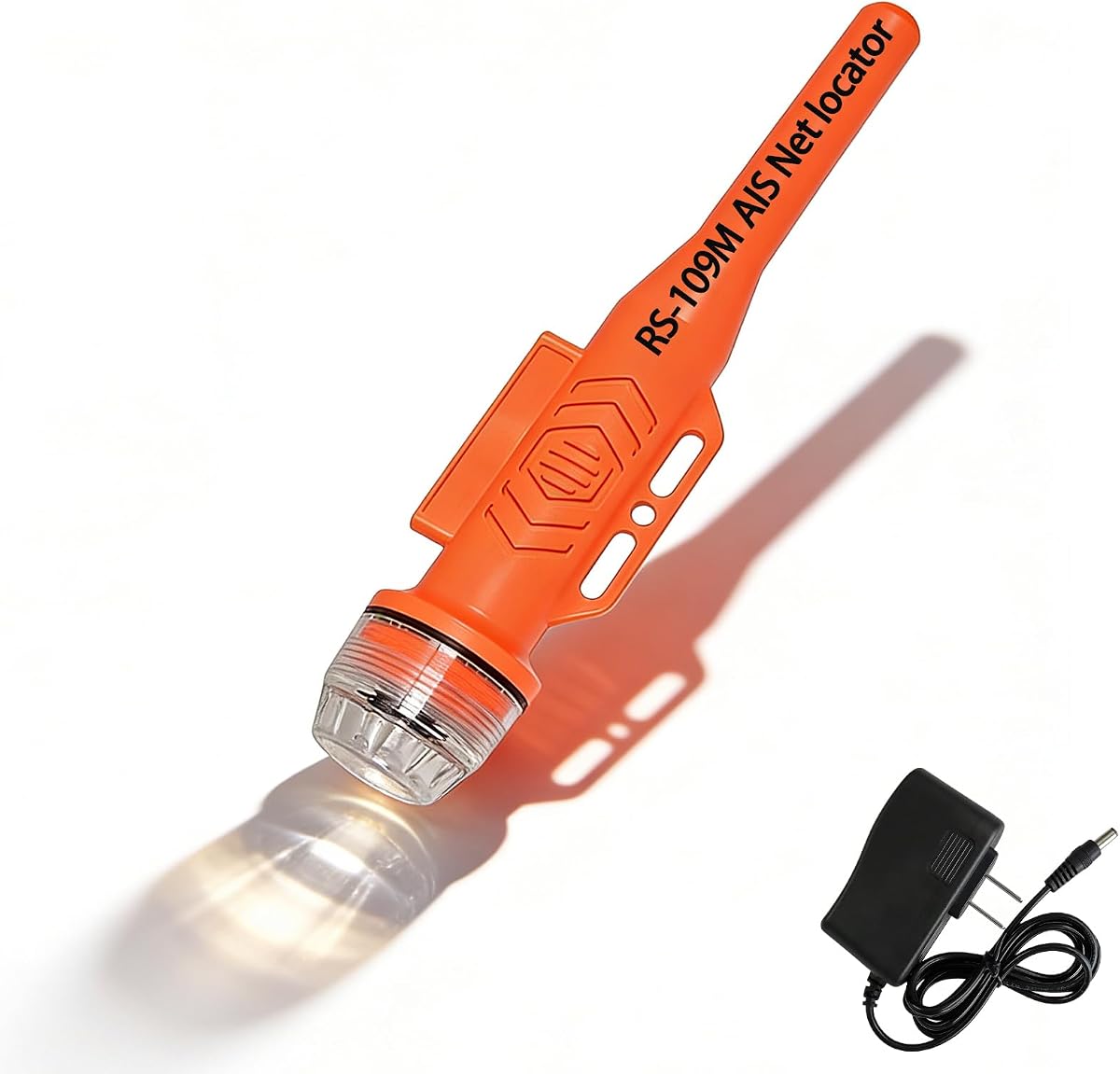
Similar to the dual pack, this single unit provides precise tracking for nets and buoys. It features a high sensitivity GPS module that delivers quick and accurate location updates even in open waters. The sealed housing ensures it survives harsh marine conditions without damage.
We may earn a commission when you buy through this link, at no additional cost to you.
The data sync transmission gives you real-time battery levels, so you never have to guess if your gear is still active. This feature prevents lost equipment due to dead batteries during extended deployments. It is a practical tool for managing gear efficiently.
The range covers ten nautical miles, which is sufficient for most coastal and near-offshore activities. It lacks the complexity of full navigation units, focusing purely on location and power status. This specialization makes it easy to install and forget about until needed.
Choose this for individual net tracking or if you prefer to buy units separately. It offers the same high performance as the bundle but allows for flexible purchasing decisions based on your immediate needs.
Sends battery status to receiver so you know when to charge or replace units.
Fast GPS acquisition ensures you always know where your gear is located instantly.
We may earn a commission when you buy through this link, at no additional cost to you.
This handheld transceiver brings AIS reception to your hands, allowing you to see nearby traffic anywhere on the boat. It is particularly useful for captains managing docking or navigating tight spaces where visibility is key. The integrated AIS receiver shows vessel traffic directly on the screen for instant awareness.
We may earn a commission when you buy through this link, at no additional cost to you.
It floats if dropped overboard and flashes a light, making it easy to recover in rough water. The loud audio ensures you can hear calls clearly even in noisy engine rooms or during storms. With up to ten hours of battery life, it lasts through full days of operation.
The GPS navigation features let you save waypoints for quick access to favorite spots or home. This simplifies repetitive routes and makes returning to specific fishing locations easier. While not a substitute for a fixed unit, it serves as an excellent secondary safety tool.
If you need a versatile radio that doubles as an AIS viewer, this is a top choice. It provides essential safety features in a compact, portable design that can be carried to the deck or cockpit easily.
Take AIS traffic data anywhere on the boat with a handheld receiver.
Floating and flashing design ensures the radio stays visible if dropped overboard.
We may earn a commission when you buy through this link, at no additional cost to you.
The M510 EVO is a modern transceiver designed to integrate smoothly with NMEA 2000 networks. It includes AIS capabilities to enhance communication and safety. This series represents the latest in marine radio technology, focusing on user experience and connectivity.
We may earn a commission when you buy through this link, at no additional cost to you.
Connecting it to your network allows for shared data with other instruments and displays. This integration ensures that critical information flows seamlessly across your vessel's systems. It is a great upgrade for older boats looking to modernize their electronics suite.
While setup can be more complex than standalone units, the long-term benefits are significant. You gain better data visibility and control over your communication systems. Ensure your boat supports NMEA 2000 before purchasing to avoid compatibility issues.
For those with modern navigation networks, this radio provides an efficient way to manage communication. It combines voice radio with essential data features in a compact package designed for the future of marine electronics.
Integrates with NMEA 2000 to share navigation and communication data across systems.
Latest generation hardware offers improved performance and reliability over older models.
We may earn a commission when you buy through this link, at no additional cost to you.
The AIS700 is a Class B transceiver designed specifically for use with Raymarine multifunction displays. It features a built-in antenna splitter to simplify installation with existing VHF antennas. This makes it a convenient choice for those already invested in the Raymarine navigation ecosystem.
We may earn a commission when you buy through this link, at no additional cost to you.
It uses SO-TDMA networking to improve range and performance in busy areas. Compatibility with SeaTalkng ensures easy data integration with other onboard instruments. While it lacks some advanced features of newer models, it remains a solid option for standard navigation needs.
Installation is straightforward thanks to the included splitter, saving you the cost of additional components. However, some users report connectivity issues or older firmware limitations. It is important to check compatibility with your current display model before buying.
If you are looking for a compatible add-on for a Raymarine system, this unit is a logical choice. It provides essential Class B transmission and reception without requiring a full system overhaul.
Built-in antenna splitter eliminates the need for extra hardware during setup.
Works seamlessly with SeaTalkng systems for unified data display on screens.
We may earn a commission when you buy through this link, at no additional cost to you.
Choosing the right AIS transponder depends on your specific vessel type, navigation needs, and existing electronics setup. Understanding the differences between Class A and Class B units is crucial for meeting safety requirements.
Class A transponders are mandatory for larger commercial vessels and offer higher power and faster update rates. Class B units are designed for smaller recreational boats and provide sufficient coverage for most leisure boating scenarios at a lower cost.
Select Class A for professional operations or large ships, and Class B for personal yachts and sailboats to balance cost and compliance.
Modern boats rely on networked electronics, so look for transponders that support NMEA 2000 or NMEA 0183 protocols. This ensures the device can share data with your chartplotter and other instruments seamlessly.
Verify your existing display supports the chosen protocol to avoid costly interface adapters.
Some units come with built-in screens that show traffic data directly, while others require an external chartplotter to visualize information. Integrated displays can be convenient for smaller vessels that lack complex navigation systems.
Choose a unit with a screen if you want instant visibility, or rely on your plotter if you have a sophisticated setup.
Transponders consume energy continuously to maintain broadcasts, so check power requirements and battery support if you use small batteries. Efficient units reduce strain on your electrical system and prevent unexpected drain.
Ensure your battery bank can support the transponder's power draw during extended periods of non-use.
Marine equipment must withstand exposure to salt, moisture, and rough conditions. Look for units with IPX7 or higher waterproof ratings to ensure longevity and reliability in harsh environments.
Always prioritize high waterproofing standards to prevent corrosion and failure in wet conditions.
The range of your AIS signal depends on the antenna height and transmitter power. Class A units typically offer stronger signals than Class B, but proper antenna placement can optimize performance for both.
Install the antenna as high as possible to maximize coverage and ensure clear transmission over long distances.
Firmware updates are essential for fixing bugs and improving security. Check if the manufacturer provides easy update methods via USB or network connections to keep your system current.
Regular updates ensure your transponder performs optimally and adheres to latest maritime standards.
Prices vary significantly based on features, brand, and class. Determine your must-have features versus nice-to-haves to find a model that fits your financial plan without compromising safety.
Invest in a unit that meets your specific needs without overspending on features you will never use.
To begin using your transponder, ensure it is connected to a power source and properly paired with your GPS antenna for accurate location data. Once powered on, configure the MMSI number to identify your vessel on the AIS network correctly.
Regularly check the firmware status to ensure your device is running the latest updates provided by the manufacturer. This keeps the system secure and ensures compatibility with changing maritime communication standards.
Clean the unit periodically with fresh water and a soft cloth to remove salt and debris. Store it in a dry place when not in use to protect internal electronics from moisture damage.
Class A units are required for commercial ships and transmit at higher power with faster update rates. Class B units are designed for recreational boats and provide sufficient range for personal use at a lower cost.
Yes, a GPS source is required to transmit your location. Some units have integrated GPS, while others require a connection to an external GPS receiver for accurate data broadcasting.
Update intervals vary based on speed and direction. Class A units update more frequently, while Class B units typically update every few seconds to ensure real-time tracking without excessive data usage.
Yes, AIS is a global standard used worldwide. Your transponder will communicate with other vessels and coast stations wherever they are operational, providing safety benefits globally.
Many modern units include built-in splitters to share the VHF antenna. Check the model specifications to see if an external splitter is needed for your specific setup.
Most devices support updates via USB or network connection. Connect the unit to a computer or network interface and download the latest version from the manufacturer's official website.
The right transponder depends on your vessel size, budget, and existing electronics. Our top picks offer reliable options ranging from budget buoy trackers to professional grade Class A systems.
Prioritize features like waterproofing, network compatibility, and ease of installation. A good transponder should integrate seamlessly into your boat's current setup.
Always verify current availability and technical details before purchasing to ensure the product meets your specific needs and regulations.