
Intel Celeron G3900
4.6Editor score
2 Cores 2 Threads
2.80 GHz Base Speed
LGA1151 Socket
Discover the top low power CPU options for efficient computing. This guide compares performance, features, and value across ten reliable processors for diverse
Low power CPUs are essential for building energy efficient systems that run quietly and coolly. They excel in home servers, mini PCs, and office workstations where electricity costs matter.
We compared ten processors based on core counts, thread counts, socket types, and thermal design power. Our analysis focuses on real world efficiency and performance per watt ratios.
Each pick shows key specs and ideal use cases to help you decide quickly. Prices fluctuate daily so check current listings before buying your next low power CPU.
4.6Editor score
4.7Editor score

4.1Editor score
This side by side comparison highlights key specifications across all ten selected processors. Evaluate core counts, clock speeds, sockets, and thermal design power to find your perfect match.


The Intel Core i7-6700T is a trusted low power CPU designed for efficiency. It holds a solid 4.5 rating from users who value stability over raw speed.
We may earn a commission when you buy through this link, at no additional cost to you.
This quad core processor runs at 2.8 GHz and uses a tray package. It fits well in systems needing reliable performance without high power draw.
You won't find a fan in the box so plan for cooling. Being an older model means it lacks some modern features but still handles daily workloads well.
Buy this if you need a proven low power CPU for existing builds or quiet office machines. It remains a dependable choice for general computing tasks.
Its TDP is optimized for systems requiring low heat output and quiet operation.
Works with many LGA1151 motherboards making upgrades simple for existing users.
We may earn a commission when you buy through this link, at no additional cost to you.
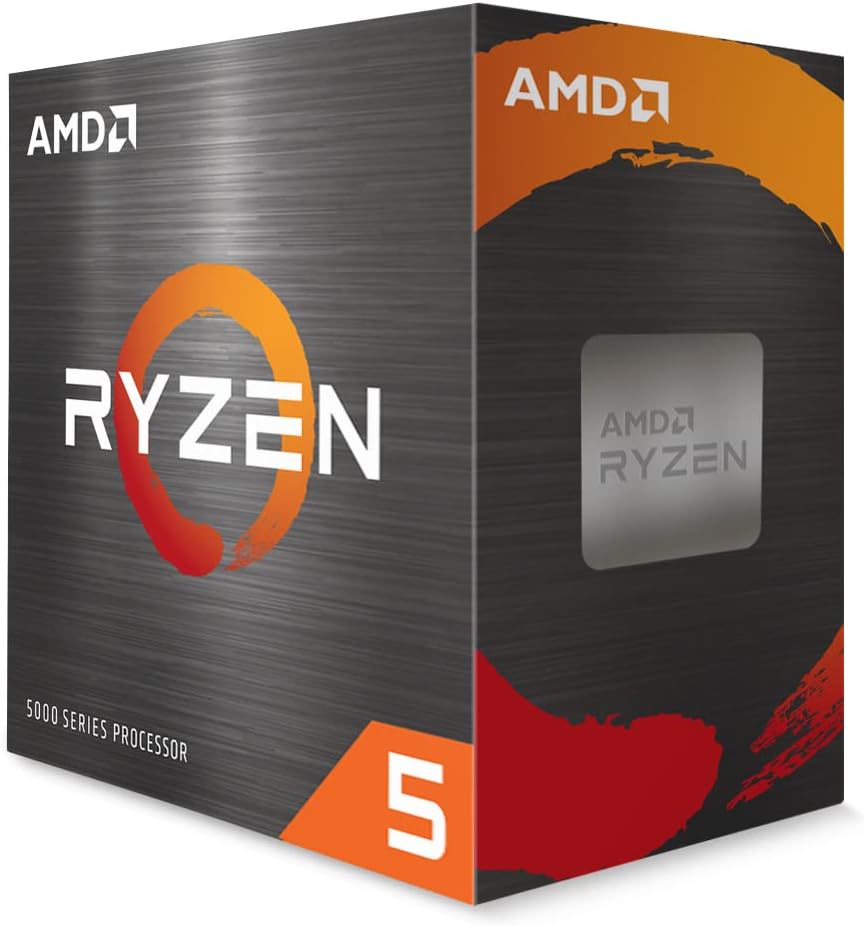
The AMD Ryzen 5 5500 earns our Editor's Choice with its balanced specs and strong rating. It delivers six cores and twelve threads for smooth multitasking.
We may earn a commission when you buy through this link, at no additional cost to you.
Boasting up to 4.2 GHz boost clock this CPU handles games and creative apps well. The bundled Wraith Stealth cooler simplifies installation for new builders.
It needs a dedicated graphics card which adds to the total cost. While AM4 is older it remains a very capable platform for budget conscious gamers.
Pick this if you want strong performance without breaking the bank. It stands out as a versatile low power CPU for mixed work and play.
Delivers fast frame rates in popular titles when paired with a discrete GPU.
Allows enthusiasts to tweak performance further with compatible cooling setups.
We may earn a commission when you buy through this link, at no additional cost to you.
The Intel Celeron G5900 offers a simple entry point for low power builds. With 4.5 stars it satisfies users needing basic responsiveness at a low cost.
We may earn a commission when you buy through this link, at no additional cost to you.
Running at 3.4 GHz on two cores it handles web browsing and office work smoothly. It uses the LGA1200 socket so you get newer board compatibility.
Two threads might limit heavy multitasking or rendering tasks. For everyday use this CPU keeps power draw low and system noise minimal.
Choose this for budget builds or media centers where high performance isn't critical. It proves low power CPUs can still deliver reliable daily computing.
Allows use of Intel Optane memory to speed up storage access.
LGA1200 supports a range of 400 series chipsets for flexible upgrades.
We may earn a commission when you buy through this link, at no additional cost to you.
The Intel i7-2600S is a legacy low power CPU still valued for its efficiency. Its 3.9 rating reflects older benchmarks but users praise its stability.
We may earn a commission when you buy through this link, at no additional cost to you.
With four cores and optimized cache it handles multiple tasks without overheating. It supports DDR3 memory which suits existing older workstation builds well.
Expect higher power use than newer chips despite the low power label. Availability may be limited since it is an older model in circulation.
Consider this if you already own compatible boards and want a quiet upgrade. It offers a balance of performance and efficiency for specific legacy needs.
Optimized cache subsystem improves data transfer speeds for daily apps.
Designed for increased bandwidth and low latency memory access patterns.
We may earn a commission when you buy through this link, at no additional cost to you.
The AMD Athlon 200GE shines with integrated Radeon Vega graphics for a low power CPU. A 4.4 rating shows satisfaction from users building budget systems.
We may earn a commission when you buy through this link, at no additional cost to you.
It includes four threads and a near-silent cooler out of the box. The AM4 socket means you can upgrade to Ryzen later if needs grow.
Clock speeds are modest so heavy loads may slow it down. However for browsing and light gaming it saves money by skipping a dedicated card.
Buy this for small home theater PCs or budget desks where space is tight. It proves a low power CPU can handle media tasks without extra hardware.
Radeon Vega 3 handles smooth videos and light gaming without extra costs.
Compatible with Ryzen CPUs offering a clear path for performance increases.
We may earn a commission when you buy through this link, at no additional cost to you.
This Intel Celeron G3900 is our Best Budget pick with a high 4.6 rating. It proves a low power CPU can be affordable without sacrificing reliability.
We may earn a commission when you buy through this link, at no additional cost to you.
At 2.80 GHz it provides steady performance for word processing and web use. The retail box ensures you get standard accessories and support.
Dual cores limit it from heavy multitasking or modern game demands. For static kiosks or office PCs its efficiency and cost make it ideal.
Choose this when building the tightest budget system possible. It is a solid low power CPU for simple tasks where cost is the main factor.
Offers the lowest price point while maintaining stable daily operation.
Comes in retail packaging for easier returns and standard documentation.
We may earn a commission when you buy through this link, at no additional cost to you.
The Intel Celeron G4900 offers a balanced entry into low power CPU options. With a 4.3 rating it serves users needing reliable quiet computing.
We may earn a commission when you buy through this link, at no additional cost to you.
Running at 3.1 GHz on two cores it handles daily office tasks well. It includes a thermal solution so you do not need to buy a fan separately.
Two threads mean you should avoid heavy multitasking workloads. The 54W TDP keeps electricity costs low and heat generation manageable.
Pick this for home office systems where simplicity matters. It is a practical low power CPU that avoids extra costs for cooling accessories.
Thermal solution included ensures ready to use out of the box.
Compatible with Intel 300 Series chipsets for broad motherboard choice.
We may earn a commission when you buy through this link, at no additional cost to you.
This Intel Celeron G3900 variant is a low power CPU often used in OEM systems. Its 4.1 rating highlights reliability for specialized or compact builds.
We may earn a commission when you buy through this link, at no additional cost to you.
With 51 Watts TDP it draws minimal power. It supports ECC memory which is rare for this tier and useful for data integrity.
The CPU only model means you must source your own cooler. Performance is basic so it fits best in thin clients or network appliances.
Select this if you need ECC support in a low power package. It is a niche choice for users needing data accuracy without high wattage.
Supports ECC Memory for systems prioritizing data stability and integrity.
51 Watts TDP ensures efficient power usage for always on systems.
We may earn a commission when you buy through this link, at no additional cost to you.
The Intel Celeron G5905 is a low power CPU with a faster base clock than peers. A 4.5 rating shows users appreciate its speed for basic tasks.
We may earn a commission when you buy through this link, at no additional cost to you.
It runs at 3.5 GHz on two cores so simple apps feel snappy. The boxed processor includes a cooler and packaging for easy setup.
Dual threads still limit multitasking so avoid heavy workloads. For web browsing and media playback this CPU delivers a smooth experience.
Buy this if you need a boxed low power CPU for quick assembly. It balances speed and simplicity for typical home or office environments.
3.5 GHz base frequency offers faster response times than slower models.
Comes with standard accessories ensuring a complete and ready to install unit.
We may earn a commission when you buy through this link, at no additional cost to you.
This Mini-ITX Bundle is our Best Premium pick with a low power CPU built in. It carries a 4.1 rating from users valuing compact high throughput systems.
We may earn a commission when you buy through this link, at no additional cost to you.
The quad core eight thread CPU keeps power at 15W TDP. It includes dual 2.5G LAN ports and eight SATA slots for serious storage needs.
There is a known sleep mode bug and complex power wiring. For a firewall or NAS those tradeoffs are acceptable given the performance.
Choose this if you need a compact low power CPU server. It is a complete solution for power users requiring efficiency and networking speed.
Dual 2.5GbE ports support fast stable connections for network security.
Eight SATA ports plus M.2 slots provide ample space for drives.
We may earn a commission when you buy through this link, at no additional cost to you.
Selecting the right low power CPU requires weighing several technical factors. We explore eight key elements to help you match specs to your usage needs.
Thermal Design Power or TDP measures how much heat a CPU generates under load. Lower TDP models like 15W save energy and allow quieter cooling in compact cases.
Look for TDP ratings under 65W if you want low power efficiency in passive or silent builds.
More cores and threads let you run multiple applications at once. Budget low power CPUs often have two cores but premium ones reach six or eight.
Pick at least four threads for multitasking workloads like web browsing with streaming or basic editing.
Your motherboard socket must match the CPU pin layout. Common types include LGA1151, LGA1200, and AM4. Mismatched sockets mean you must buy new boards.
Check your existing motherboard manual before choosing a low power CPU to avoid extra costs.
Base clock speed in GHz determines how fast instructions execute. Higher numbers mean snappier single task performance. Low power CPUs often run between 2.8 and 4.2 GHz.
Aim for at least 3.0 GHz base if you need responsive daily computing tasks.
Integrated graphics mean you can skip buying a separate GPU. Some low power CPUs include Vega or Intel HD graphics for display output.
Choose one with integrated graphics if your case has no room for a GPU card.
Some low power CPUs come with stock coolers while others are CPU only. A stock cooler simplifies assembly and keeps costs lower.
Ensure the package includes a cooler if you plan to build immediately without extra parts.
Memory type limits your upgrade paths. DDR4 is common with newer low power CPUs while DDR3 appears in older models. ECC support helps data accuracy.
Match the memory type your motherboard supports when choosing a low power CPU.
Platforms like AM4 allow future upgrades without a new board. Check if the low power CPU is on a socket with future CPU options.
Prioritize sockets with upgrade paths if you plan to enhance performance later.
Install the low power CPU carefully into the socket aligning pins correctly. Apply thermal paste thinly on the die before attaching the cooler.
Keep the system ventilated to avoid heat buildup even with low power CPUs. Dust filters help maintain airflow inside the case.
Update drivers regularly for best efficiency and performance. Monitor temperatures to ensure the cooling solution matches the CPU requirements.
A low power CPU uses less electricity and produces less heat than standard models. They are ideal for silent builds and always-on systems like servers.
Some low power CPUs with integrated graphics handle light gaming. For heavy games you need a GPU but core count still matters for performance.
Most low power CPUs can use stock coolers. Passively cooled builds need cases with good airflow and low TDP ratings.
It depends on the socket. Some platforms like AM4 offer clear upgrade paths while others require new motherboards.
Retail boxes include coolers and warranties. Trays are cheaper but lack accessories and may void manufacturer support.
Match the CPU socket to your motherboard. Use the manufacturer site to verify supported CPUs and memory types.
TDP stands for Thermal Design Power and measures heat output. Lower TDP means less power draw and quieter operation.
Some CPUs need separate coolers or fans. Check if RAM and GPU are needed based on the CPU's specs.
We reviewed ten low power CPUs from Intel and AMD covering budget to premium options. The Ryzen 5 5500 leads for performance while Celerons offer value.
Prioritize TDP and socket compatibility when building quiet systems. More cores help multitasking but clock speed affects single task speed.
Prices shift often so check live listings before purchasing. Verify current stock and warranty details to ensure the best deal.